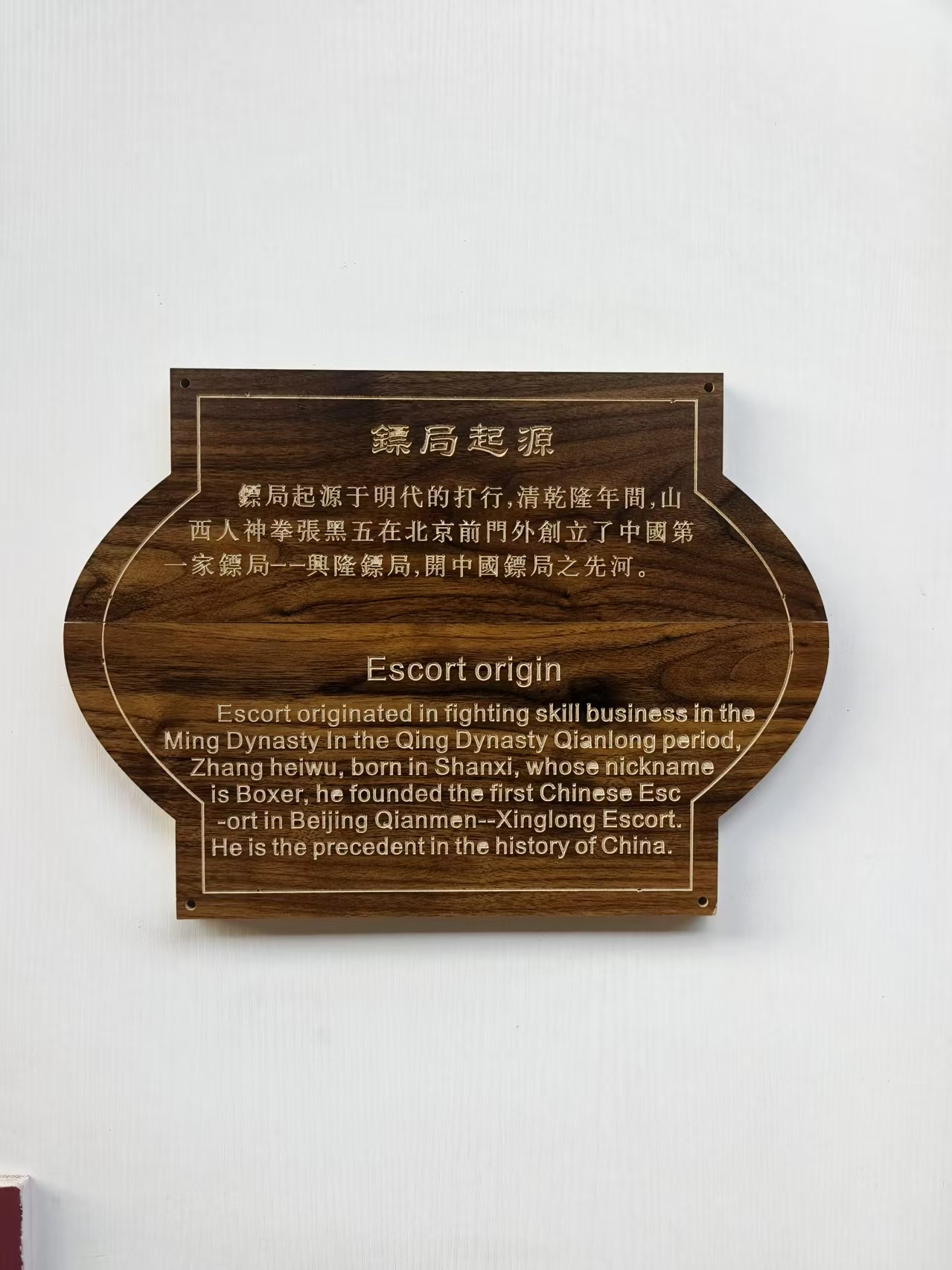
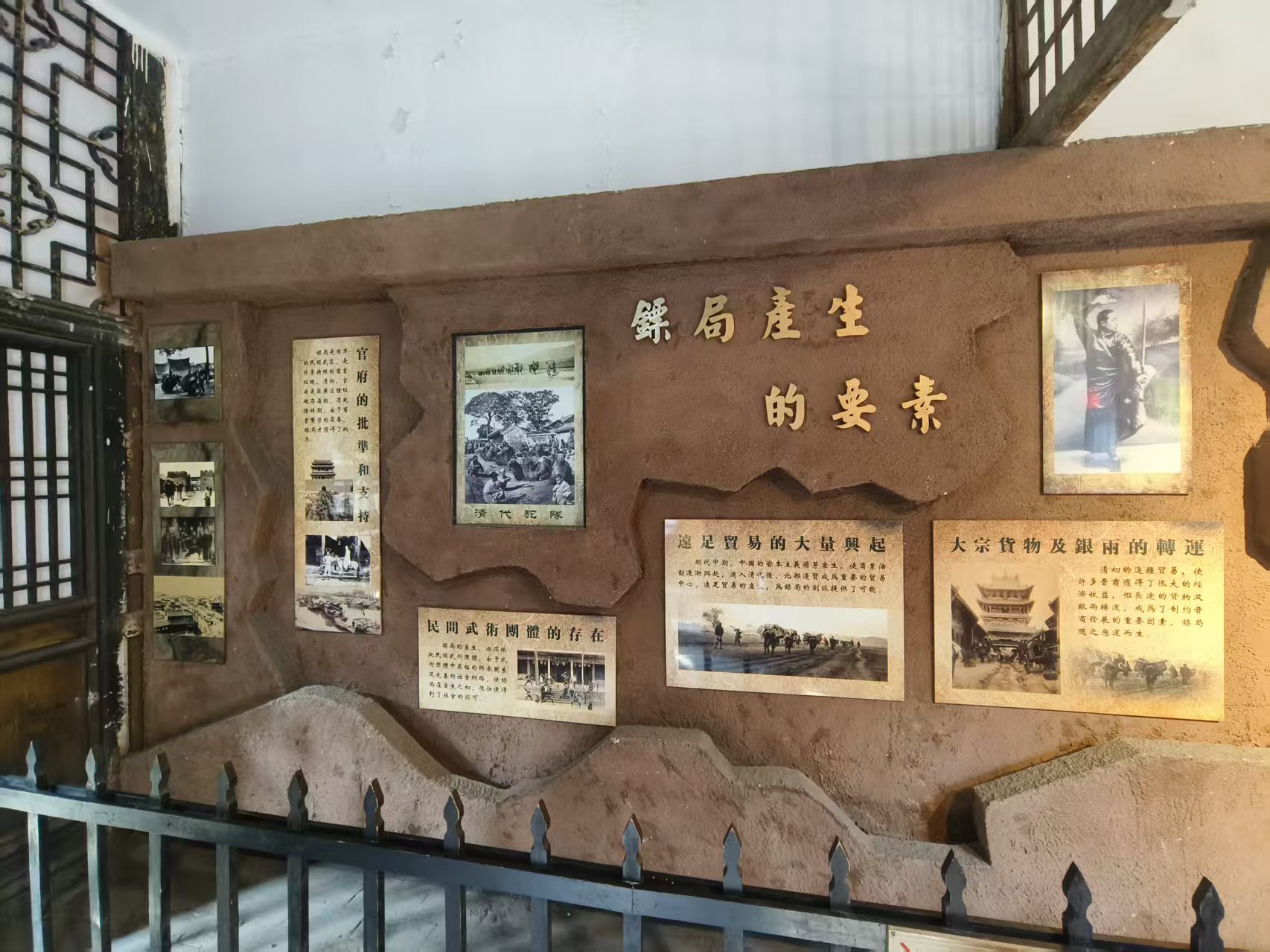
一展室——镖局起源镖局,又称镖局或镖行,是受人钱财,凭借武功,专门为人保护财务或保障人身安全的私人安保机构。它的产生年代,目前专家们有两种不同的说法,一种认为创自明代正德年间,一种认为创自清代乾隆年间。镖局起源于明代的打行,受人钱财凭借武功,专门为人保护财物或人身安全的机构,又称镖行。旧时交通不便,客旅艰辛不安全,保镖行业应运而生,镖局随之而立。淸乾隆年间,山西人神拳张黑五在北京前门外创立了中国第一家镖局——兴隆镖局。镖局是由武术爱好者、武术世家、退役士兵组建而成。武术爱好者组建的镖局:最初由几个习武之人结成一个小团体,以便切磋技艺,互相提高。小团体往往是师兄弟之间的自由组合,即便不是一师所传,也免不了互有师承关系。在此基础上组建的镖局,往往友情为重,所领的股份也比较平均,人际关系也比较平等,大家基本上凡是都有发言权。武术世家组建的镖局:这些镖局的人,大多有血缘关系或亲属关系,有着生死与共、唇齿相依的英雄气概和血脉亲情。在后来的发展过程中,虽然也有邀请其他人员参与其中的举动,但在地位划分和股份份额上,是有十分明显的差异的,这些人与他们是一种十分典型的雇佣关系。退役士兵组建的镖局:在朝廷裁军后,一些士兵没有得到适当的安置,一些行伍之兵重德守认道义,恪守武德军规,退役时一无所有,除了一身的武功之外,又别无谋生之计,于是凑在一起开设镖局共度余生。这种镖局的成员以“义”字为凝聚力,在战场上共同出生入死,镖路之上也是风雨同舟,患难与共。镖局的产生:一、要有官府的批准和支持。镖局是标准的民间武装,是非常特殊的商业组织,清初,官府是严禁这种组织存在的,清乾隆时期,由于商业繁荣的需要,镖局才获得了批准。二、民间武术团体的存在。镖局的产生,必须依托民间武术团体,由于武术团体中最严格的师承关系及完善的社会网络,使镖局在产生之初,很快便得到了社会的认可。三、远足贸易的大量兴起。明代中期,中国的资本主义萌芽产生,使商业活动逐渐兴起,进入清代后,北部边贸成为重要的贸易中心,远足贸易的产生,为镖局的创设提供了可能。四、大宗货物及银两的转运。清初的边疆贸易,使许多晋商获得了很大的经济收益,但长途的贸易及银两的转运,成为了制约晋商发展的重要因素,镖局随之应运而生。
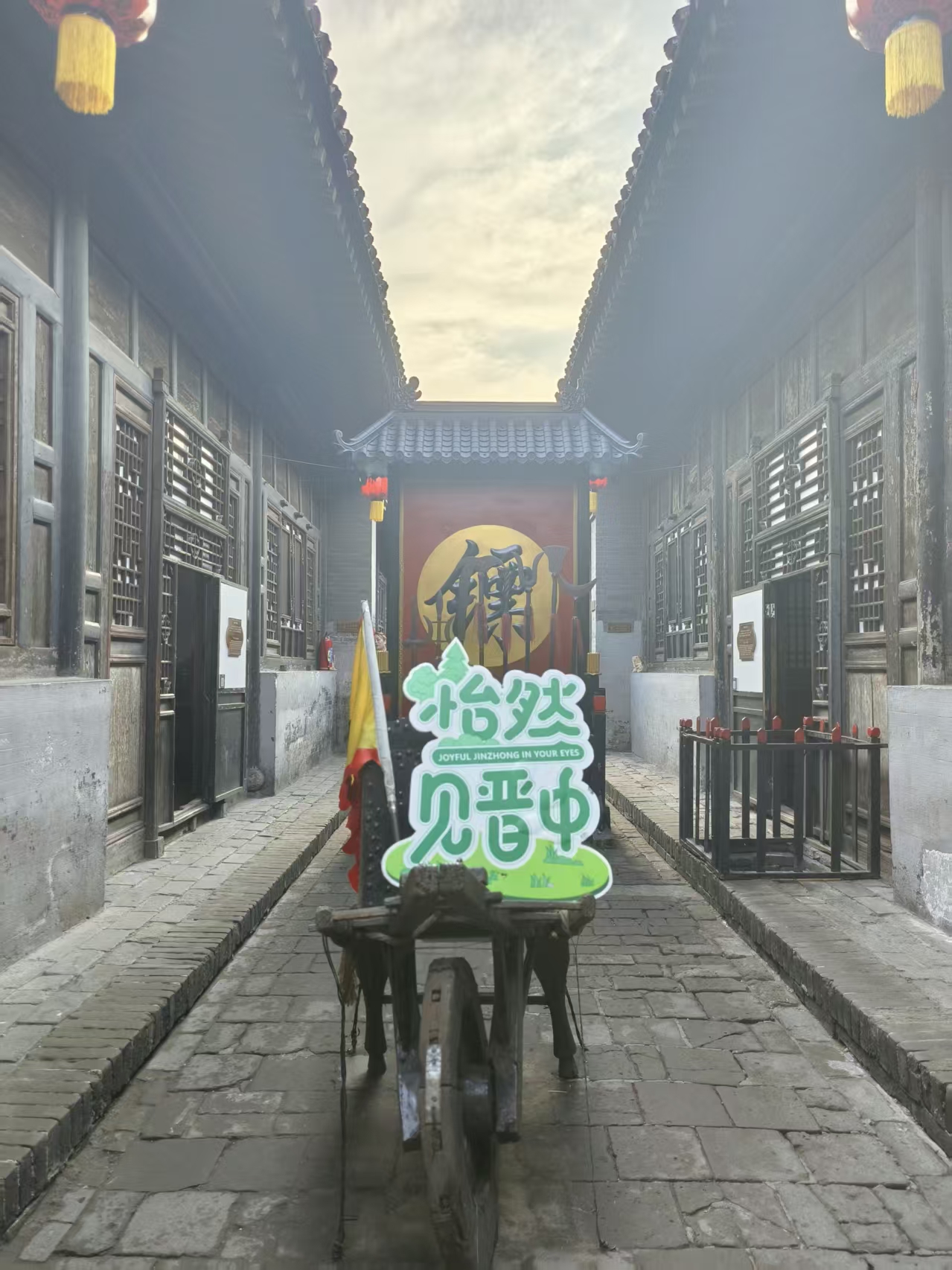
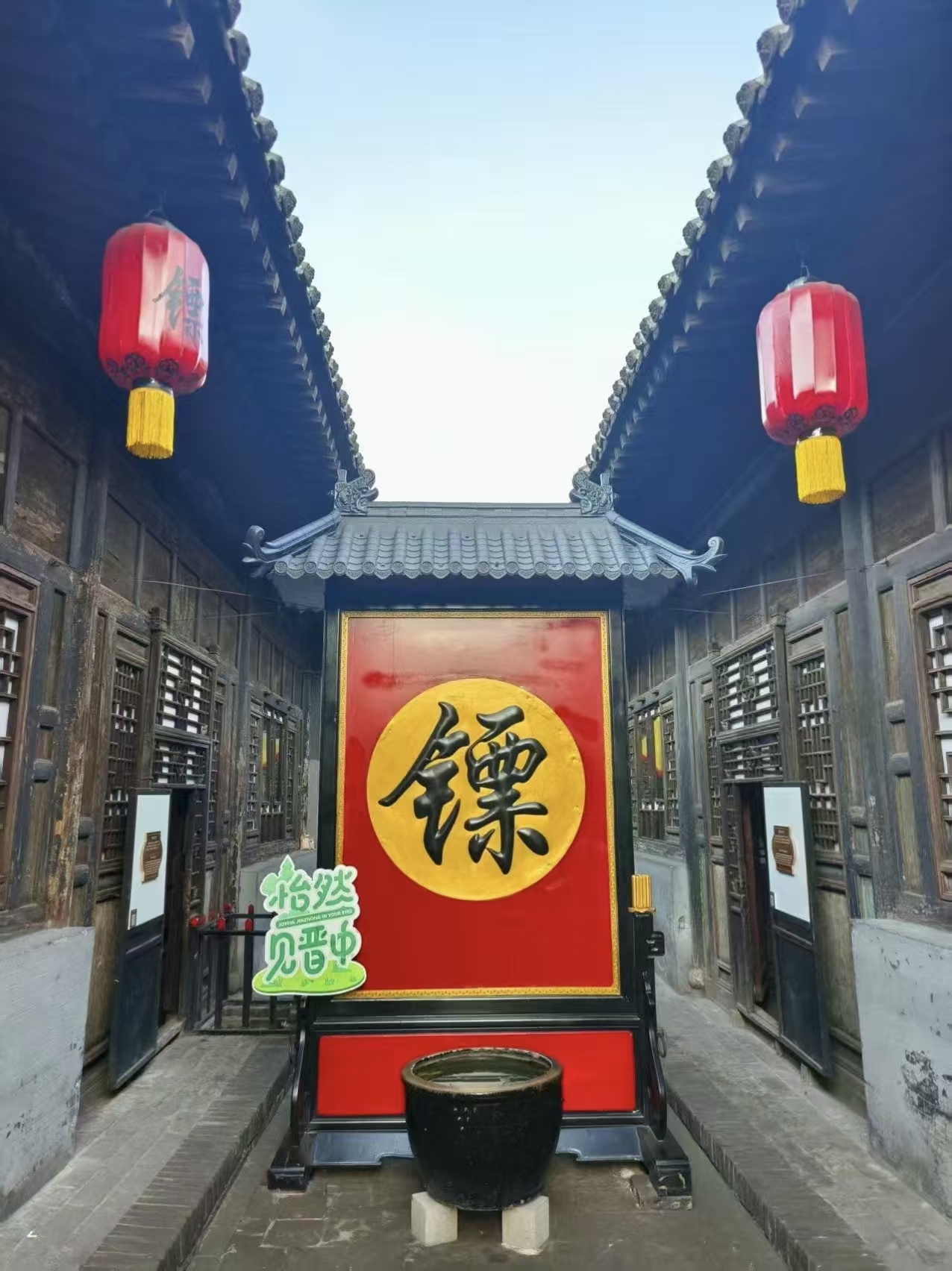
Exhibition Hall 1 – The Origin of Armed Escort Agencies
An armed escort agency, also known as a biaoju or biaohang, was a private security institution that accepted payment to safeguard clients’ valuables and personal safety through martial arts expertise. Scholars hold two divergent views on its founding era: one traces its origin to the Zhengde reign of the Ming Dynasty, while the other dates it to the Qianlong reign of the Qing Dynasty.
The prototype of escort agencies was the da hang (mercenary security guild) of the Ming Dynasty, a paid armed bodyguard service dedicated to protecting property and lives. In ancient times, poor transportation put traveling merchants at constant risk of robbery, creating urgent demand for security services and giving rise to the escort trade. During the Qianlong reign of the Qing Dynasty, Zhang Heiwuyi, a renowned martial artist from Shanxi nicknamed the Divine Fist, founded Xinglong Escort Agency outside Beijing’s Front Gate — China’s first official biaoju.
Escort agencies were founded by three main groups: martial arts enthusiasts, hereditary martial clans, and demobilized soldiers.
1. Agencies founded by martial arts enthusiasts
They began as small loose collectives of practitioners to exchange skills and advance their craft, mostly formed by fellow disciples from the same master. Even those trained under different teachers shared martial community bonds. Such agencies featured close camaraderie, aligned interests, and equal interpersonal relations, with every member having a voice in collective decisions.
2. Agencies founded by hereditary martial clans
Staff were mostly blood relatives bound by kinship, united by a heroic spirit of sharing life and death. Though external hires were recruited as the business expanded, strict hierarchical distinctions governed social standing and profit shares, forming a classic employer-employee dynamic.
3. Agencies founded by demobilized soldiers
After imperial military campaigns, many veterans received no official resettlement. Trained only in battlefield ethics and combat tactics and lacking other livelihood skills, they swore brotherhood to make a living together. Bound by written contracts, these men had fought side by side on battlefields and stood through every hardship along escort routes.
Four Preconditions for the Emergence of Escort Agencies
1. Official approval and backing
As civilian armed groups and unique commercial entities, escort agencies were banned by authorities in the early Qing Dynasty. They only gained legal recognition in the Qianlong period to meet the demands of booming commerce.
2. Established folk martial arts communities
Escort agencies relied on rigorous lineage systems and extensive social networks within martial circles, winning widespread public acceptance from their inception.
3. Surging long-distance trade
Sprouting capitalism in the mid-Ming Dynasty boosted commercial activity. By the Qing era, cross-border trade in northern frontier regions flourished, laying the groundwork for the escort industry.
4. Demand for bulk goods and silver transportation
Frontier trade brought massive wealth to Shanxi merchants in the early Qing Dynasty. However, the perilous long-distance transport of cargo and silver created a critical bottleneck for wealthy traders, ultimately spawning the professional escort trade.